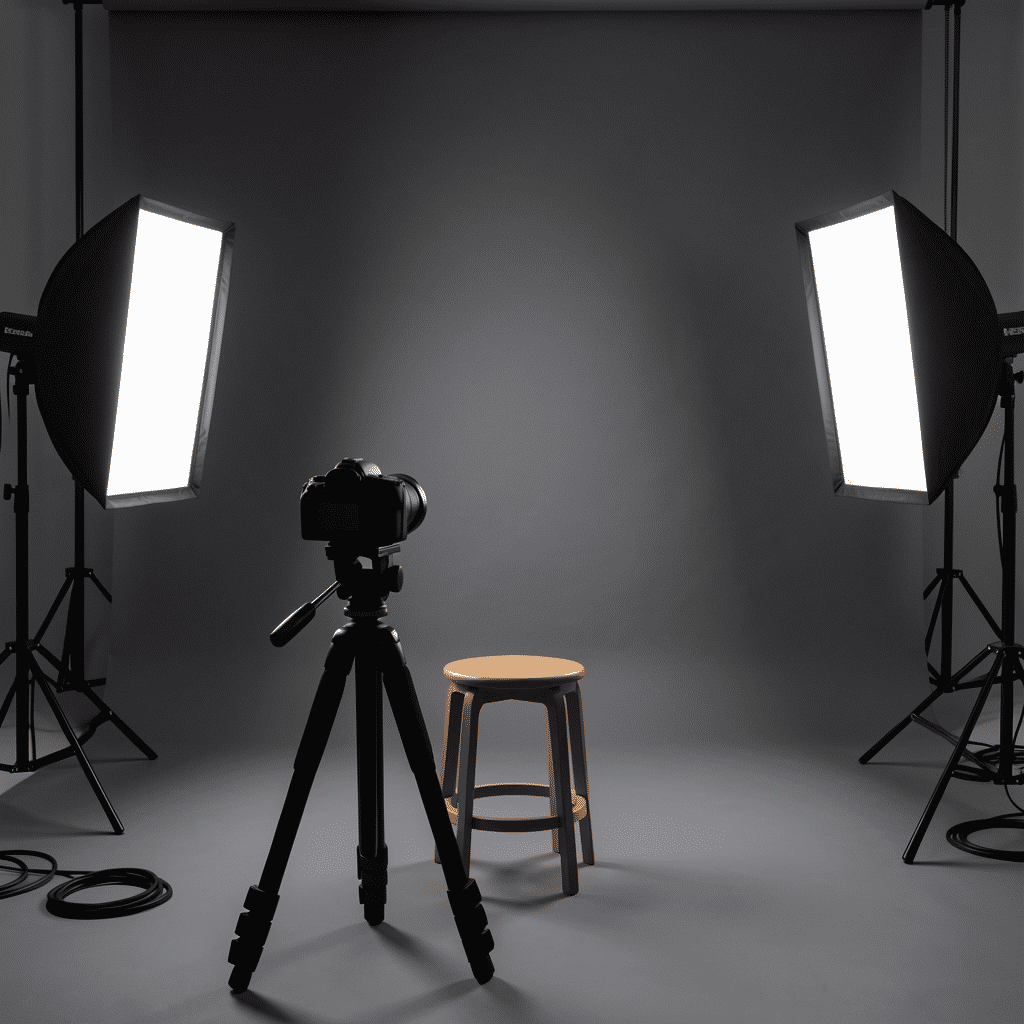
Lighting plays a pivotal role in shaping the mood and adding depth to images. Mastering it can transform ordinary pictures into extraordinary works of art. Here we delve into the essential techniques and concepts to help harness the power of lighting effectively.
The Basics of Lighting
Lighting is a fundamental element that photographers use to highlight their subjects. It affects a photograph's contrast, texture, and overall atmosphere. Understanding how light behaves and interacts with different surfaces can be a game-changer.
Types of Lighting
-
Natural Lighting: This is the light that occurs naturally from the sun, moon, or stars. It changes throughout the day and can produce different effects; from the warm glow of the golden hour to the soft, diffused light on a cloudy day. Using natural lighting requires an awareness of the time of day and weather conditions.
-
Artificial Lighting: Includes any light not emitted by natural sources. This covers tungsten lights, fluorescent lighting, and LED lights. Artificial lighting gives more control over the intensity and direction of light, making it versatile for indoor photography.
-
High Key and Low Key Lighting: High key lighting creates an image with predominantly bright tones and minimal shadows, evoking a cheerful and light-hearted mood. In contrast, low key lighting emphasizes darker tones and shadows, adding mystery and drama.
Direction of Light
The direction from which the light hits the subject significantly affects its appearance. Here are the primary directions to consider:
- Front Lighting: Illuminates the subject evenly and minimizes shadows, ideal for reducing texture.
- Side Lighting: Highlights texture and depth due to the shadows it casts, adding drama and dimension.
- Backlighting: Light comes from behind the subject, creating silhouettes and emphasizing outlines, especially effective during sunset or sunrise.
Modifying and Controlling Light
-
Reflectors: These are used to bounce light back onto the subject to fill in shadows and bring out details.
-
Diffusers: A diffuser softens harsh light, distributing it more evenly across the subject, which reduces unwanted shadows.
-
Gels: These colored filters are attached over lights to change the color tone. They can create specific atmospheres or highlight certain areas of a photo.
-
Softboxes: These enclosures diffuse light into a soft, even spread. Softboxes are excellent for portrait photography where you want to soften skin tones.
Creating Mood Through Lighting
Lighting can evoke emotion and convey the intended mood in a photograph. Warm lighting, with its soft, yellow hues, tends to create a friendly and inviting atmosphere. Cool lighting, with its blue tones, can appear serene or distant.
Practice and Experimentation
The key to mastering photography lighting is practice. Experiment with different sources and directions of light. Try varying the angles and intensities and observe how each change affects the outcome. There’s always something new to learn, as light sources can vary greatly in quality and temperature.
Conclusion
Understanding lighting will elevate your photography skills by honing the ability to manipulate mood and depth. With continuous practice, it becomes easier to foresee which type of lighting will suit a particular scene or subject, enabling you to produce captivating and emotive images steadily.