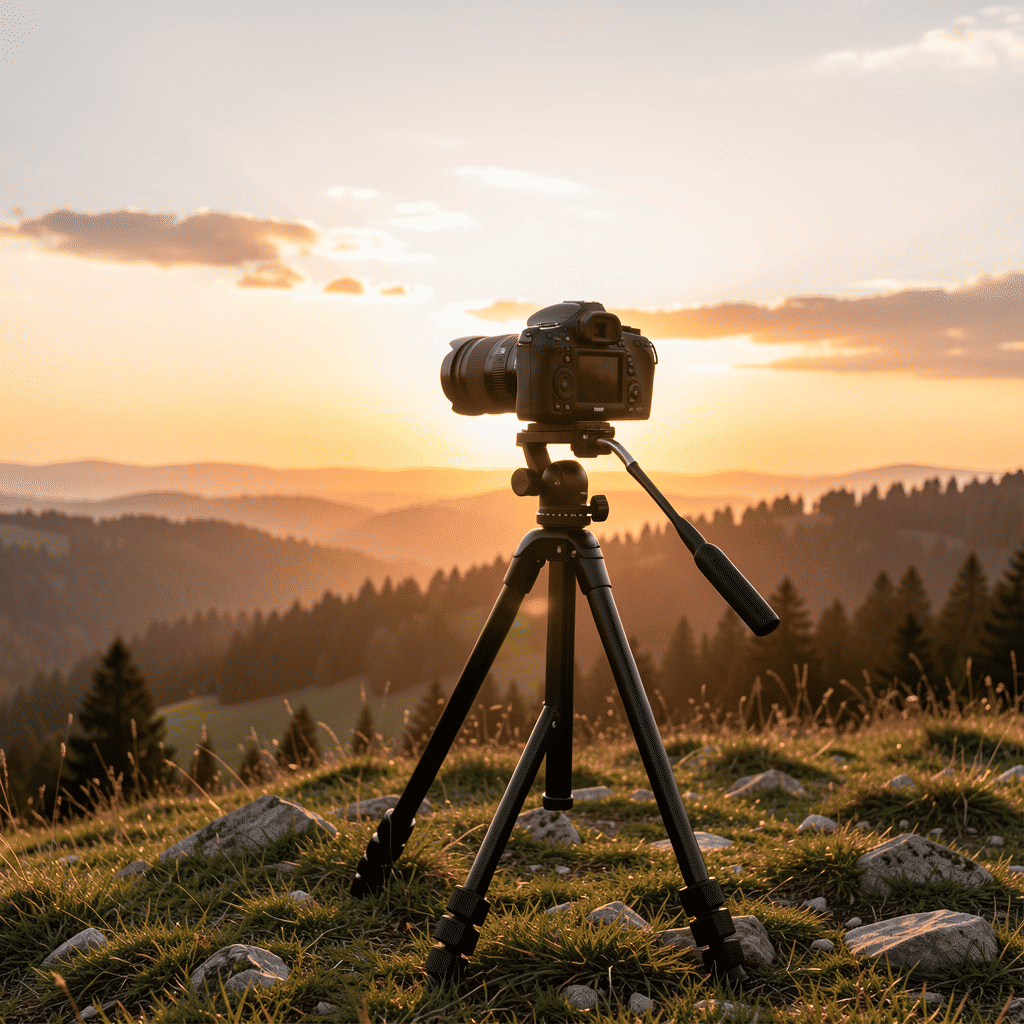
Mastering the art of capturing beautiful images begins with understanding essential techniques that can transform your approach and enhance your skills. Below, we explore foundational tactics to refine your ability to snap stunning photos effortlessly.
Understanding Exposure
Exposure is a key component in photography. It determines how light or dark an image appears. Three elements control exposure: aperture, shutter speed, and ISO. Understanding their relationship is crucial. Aperture controls depth of field; wider apertures (like f/1.8) create blurred backgrounds, while narrower apertures (like f/16) keep more of the image in focus. Shutter speed affects motion blur; faster speeds freeze action, while slower speeds can create artistic blurs. ISO adjusts your sensor's sensitivity to light; a lower ISO results in clearer images with less noise, while a higher ISO is useful in low-light conditions.
Mastering Composition
A well-composed photo can significantly impact its appeal. The rule of thirds is a classic guideline where you imagine a grid over your image, dividing it into nine equal parts. Positioning your subject along these lines or their intersections creates a balanced and engaging composition. Also, consider leading lines, which guide the viewer's eye through the image, and framing techniques, where natural elements are used to frame the subject, adding depth and context to the shot.
Perfecting Focus
Achieving perfect focus is crucial for clarity. For portraits, focus on the eyes to create an emotional connection. Understanding depth of field and how it changes with aperture and distance will help you choose the right focus point. Manual focus can offer more precision, especially in complex scenes.
Making Use of Natural Light
Natural light can dramatically enhance your images. Understand the quality of light during different times of the day—golden hour, the period shortly after sunrise or before sunset, provides warm, soft lighting ideal for portraits and landscapes. Overcast days offer diffuse lighting that minimizes harsh shadows, perfect for portraits and still life. Learning to harness natural light effectively can improve your photography significantly.
Understanding Color
Color theory plays an essential role in setting the mood and tone of your photographs. Complementary colors create vibrant, dynamic images, while analogous colors produce harmony and soothing visuals. When editing, adjust the white balance to ensure colors are true-to-life. Warm tones evoke feelings of comfort, while cooler tones can create a sense of calm or mystery.
Experiment with Perspective
Don’t be afraid to change your viewpoint; it can completely alter the perception of a photograph. Explore different angles—shooting from low to capture towering structures or high to offer an expansive view. Experimenting with perspective allows for unique compositions that stand out.
Practicing Consistently
Continuous practice allows you to understand how different settings and conditions affect your images. Regularly review and critique your work—identify what works and what does not, and refine your technique. Developing a personal style comes with exploring various genres—from portraits to landscapes, and street photography to macro shots.
Conclusion
Enhancing your photography skill is a journey that requires patience and practice. By mastering essential techniques like exposure, composition, focus, and lighting, you can capture stunning images with ease. Each photograph becomes a canvas on which you can imprint your creativity and perspective, offering fresh insights into the world around you.