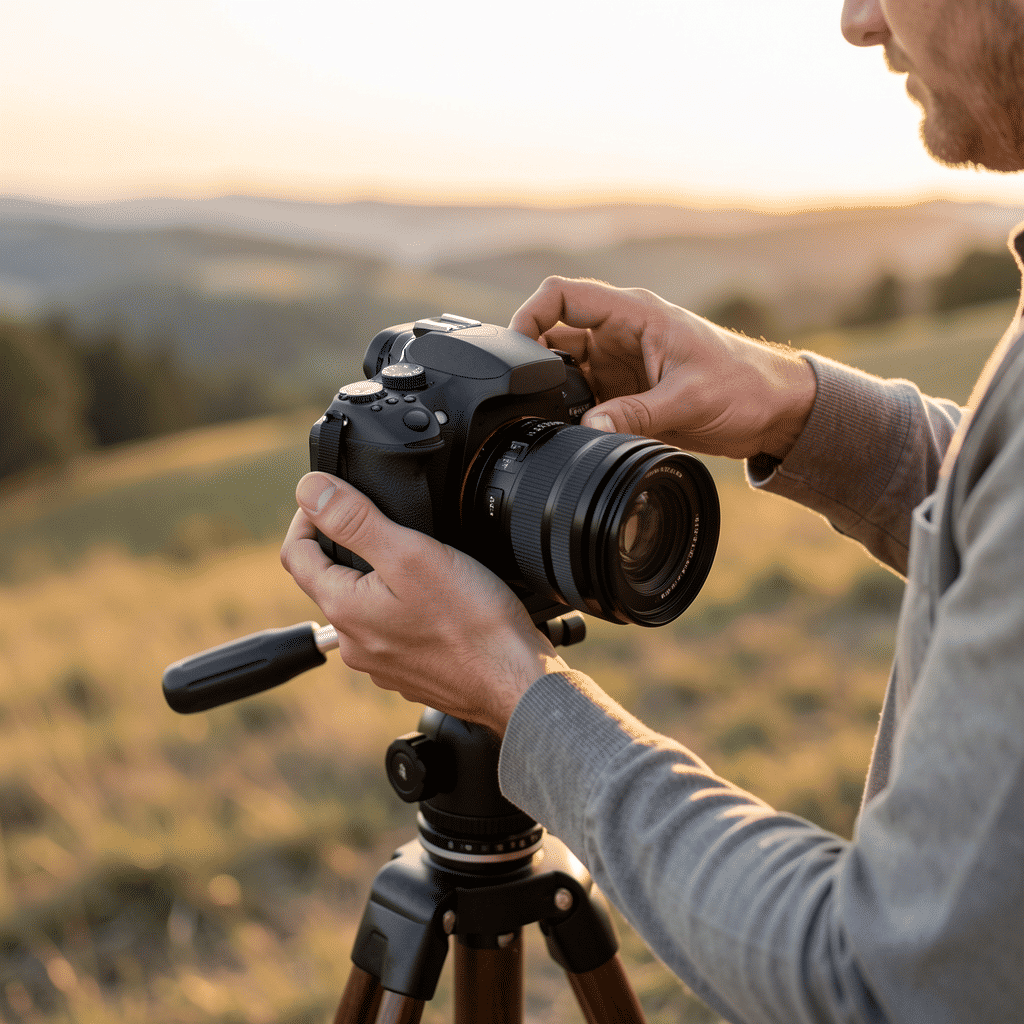
Embarking on the journey to master technical skills involves understanding various aspects that contribute to achieving that perfect shot. The art of using a photographic tool extends beyond just pressing a button; it requires a comprehensive understanding of the different features and settings at your disposal.
Understanding Exposure
A critical element in creating visually stunning images is mastering exposure. Exposure is determined by three main settings: aperture, shutter speed, and ISO. The aperture controls the amount of light entering through the lens, affecting the depth of field. A larger aperture (smaller f-number) allows more light in, creating a shallow depth of field, which is perfect for portraits where the background needs to be blurred. Conversely, a smaller aperture is ideal for landscapes, ensuring everything in the scene is in focus.
Shutter speed dictates how long the sensor is exposed to light. A faster shutter speed is suitable for freezing motion, while a slower speed can capture motion blur, adding a dynamic feeling to the image. ISO measures the sensitivity of the sensor to light. A lower ISO is preferable in well-lit conditions, minimizing noise in the image, whereas a higher ISO is helpful in low-light settings, though it may introduce graininess.
Achieving the Perfect Focus
Achieve precise focus to ensure the subject of the image is sharp and well-defined. Understanding autofocus modes and when to use manual focus can greatly enhance your images. Autofocus systems usually offer options such as single-point autofocus for static subjects and continuous autofocus for moving ones.
Switching to manual focus allows for pinpoint precision, particularly vital in macro and portrait photography. Using focus peaking—if available—can assist in highlighting areas in focus, ensuring accuracy in complex compositions.
Exploring White Balance and Lighting
White balance plays a crucial role in capturing true-to-life colors. By adjusting the white balance, you can ensure that whites appear white under different lighting conditions, such as fluorescent, tungsten, or daylight. Most devices come with preset options, but diving into custom white balance adjustments allows for tailored results, ensuring consistent coloration across a series of images.
Lighting, both natural and artificial, profoundly impacts the mood and clarity of an image. Soft, diffused lighting often produces the most flattering results, minimizing harsh shadows. Utilization of reflectors or diffusers can help control the direction and quality of light, enhancing the subject’s features.
Mastering Composition
Great photography involves more than just technical prowess; it’s about storytelling through composition. Utilizing principles like the rule of thirds, leading lines, and framing can help create balanced and engaging images. The positioning of the subject within the frame can draw attention and convey the message or emotion intended.
Experiment with different perspectives. Changing your viewpoint by getting low to the ground or high above your subject can offer unique angles that transform the ordinary into the extraordinary.
Continuous Learning and Practice
Mastering capture methods is a continual process of learning and experimenting. Analyzing different styles and techniques through books, workshops, and online resources can provide fresh insights and inspiration. Engaging with communities, both online and offline, can expose you to diverse perspectives and styles, further honing your skills.
Finally, regular practice is key. The more you explore various conditions and scenarios, the more intuitive the technical aspects will become, allowing your creativity to flourish in every frame you capture.