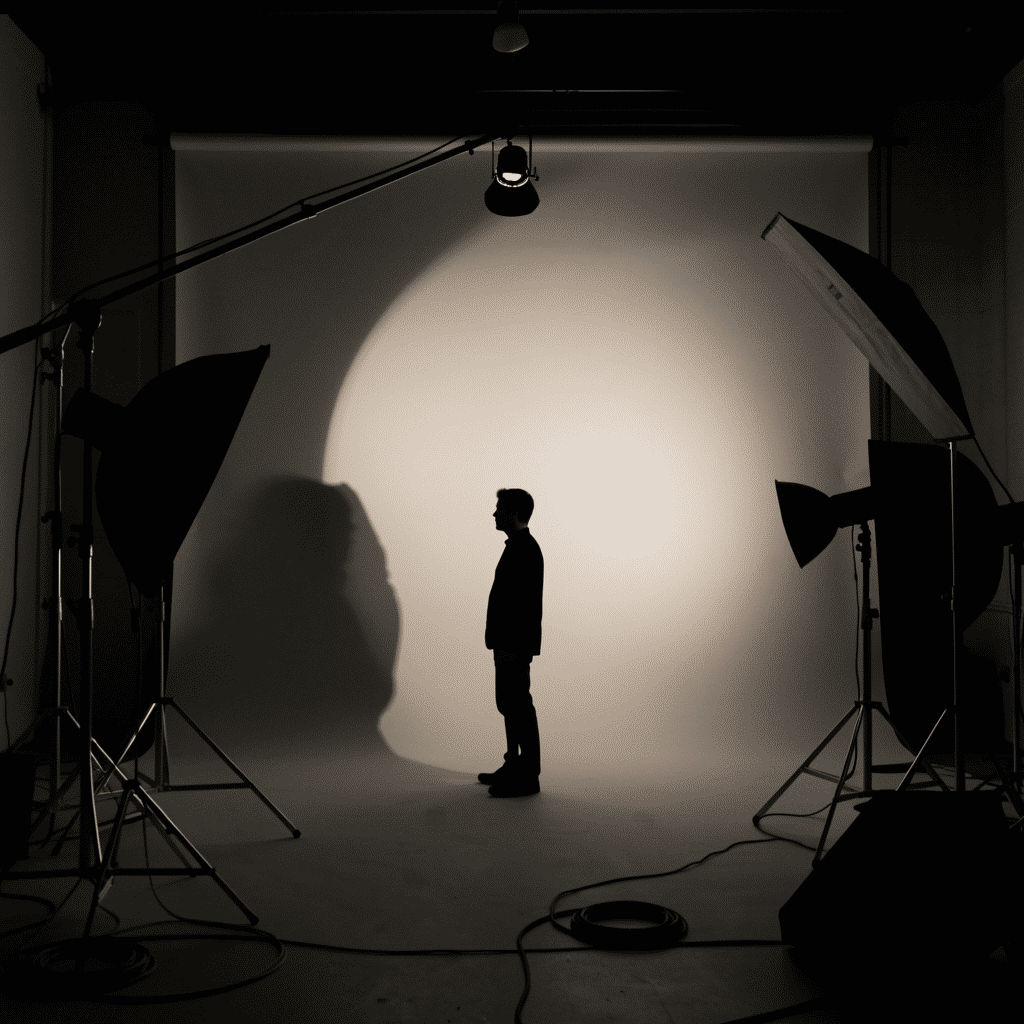
Understanding how to effectively use lighting can significantly enhance the impact of your photography. Light is the fundamental element that shapes and defines every image, influencing its mood, tone, and overall composition. Mastering the nuances of both natural and artificial light can transform a simple photograph into a captivating piece of art.
Natural Light Photography
Natural light, often lauded for its ability to produce soft and realistic tones, changes throughout the day, offering diverse opportunities to create varying effects. The golden hour, occurring shortly after sunrise or before sunset, casts a warm, golden hue that's perfect for creating dramatic and romantic images. It’s the ideal time for capturing portraits or landscapes with a serene, ethereal quality.
On the other hand, midday sun can be quite harsh, creating strong shadows and high contrast. To tackle this, utilize shade or diffused light by positioning your subject near a window or under a light canopy. Overcast days are perfect for achieving even lighting, as clouds naturally diffuse sunlight, minimizing shadows for a balanced look.
Artificial Light Techniques
When natural light isn't available or doesn't meet the desired effect, artificial lighting becomes essential. This can range from the use of simple lamps to more complex setups with studio lights and reflectors.
-
Studio Lighting: Studio lighting allows for precise control over intensity and direction. Softboxes and umbrellas are instrumental in diffusing light to eliminate unwanted shadows and create a softer look. This setup is ideal for fashion, portraiture, and product photography.
-
Off-Camera Flash: This approach enables more flexibility compared to on-camera flash, allowing you to adjust the angle and proximity of light to your subject. Off-camera flash is particularly useful for overcoming challenging lighting conditions while maintaining a natural feel.
-
Light Modifiers: Tools such as reflectors, diffusers, and grids can shape light to achieve the desired look. Reflectors bounce light back onto the subject, reducing shadows and adding highlights, while diffusers soften the light source.
Combining Natural and Artificial Light
For many photography projects, a combination of natural and artificial light can produce the most nuanced results. By carefully blending both sources, you can ensure the subject remains well-illuminated while maintaining the ambient feel of the surroundings. One technique is to use a reflector to bounce natural light where shadows are too deep, while an artificial fill light adds a touch of brightness to ensure your subject stands out.
Conclusion
Exploring the diverse ways to manipulate lighting enriches your photography skills and broadens creative horizons. Understanding how to leverage both natural and artificial light will enable you to enhance your subject dynamically, adding depth and mood to your images. Practice experimenting with different setups and lighting conditions to discover the unique possibilities that can elevate your photography to new levels.