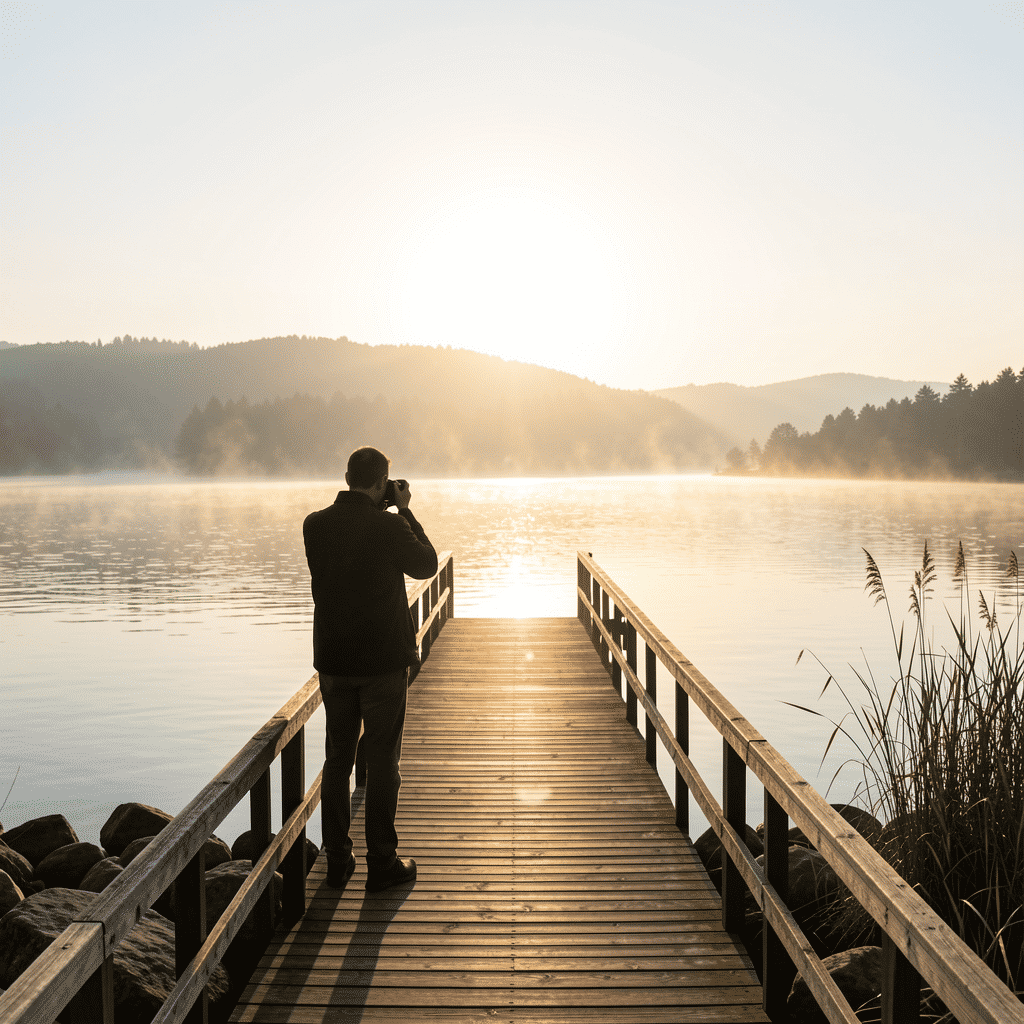
To craft unforgettable images, understanding the principles of composition can be as critical as technical skills. Highly regarded photographers often emphasize that composition is the heart and soul of visual storytelling. Whether you’re capturing landscapes, portraits, or street scenes, a well-composed photograph can transform the mundane into the extraordinary. Here, we unravel the secrets of creating striking compositions that draw viewers in and leave a lasting impression.
Balancing Elements
Balance is a significant compositional technique that refers to the distribution of visual weight within a photograph. Consider the Rule of Thirds, a guideline where the frame is divided into nine equal sections with two horizontal and two vertical lines. By placing the subject or focal point at the intersects of these lines, you create balance while also guiding the viewer's eye naturally across the image. Achieving symmetry can also establish harmony and rhythm, especially in architectural or nature photography.
Leading Lines
Integrating leading lines in your work enhances the depth and dimensionality in photographs. Roads, rivers, fences, or even shadows can serve as natural guides that pull the viewer’s gaze towards the main subject or into the depths of the scene. By consciously using leading lines, you can emphasize the scale of a landscape or the character of an urban setting.
Creative Framing
Framing is a powerful tool that can add layers of depth to your photographs. Look for natural or architectural elements that can act as frames within your composition, such as doorways, windows, or overhanging branches. This technique not only focuses attention on the subject but also adds context and reveals more about the surroundings within the shot. By experimenting with different framing options, you can lead the viewer’s eye directly to the focal point while enhancing the overall narrative.
Perspective and Angles
Changing perspective can profoundly impact the dynamism of a photograph. Capture subjects from high above to give a sense of vulnerability or shoot from below to convey power and grandeur. Playing with angles can also alter the mood — an off-balance angle might evoke tension or disorientation, perfect for dynamic scenes or abstract subjects. The key is to experiment with different heights and positions until you find a viewpoint that best highlights the composition.
The Power of Negative Space
Embrace the beauty of simplicity by using negative space effectively. Negative space is the open or empty space around the main subject, emphasizing it by contrast and allowing it to breathe. This use of minimalism can often evoke strong emotional responses, drawing focus and adding a serene quality to the image. It’s particularly effective in minimalist photography, where the essence is stripped back to only essential elements.
Color and Contrast
Color plays a crucial role in enhancing composition. Using contrasting colors can make your subject pop against the background. Alternatively, harmonizing colors can create a soothing and cohesive look. Observing the natural play of light at different times of day can also affect the color and mood, adding another layer of depth and drama to your images.
Tell a Story
Ultimately, the most compelling photographs tell a story or evoke emotion. Pay attention to the small details that contribute to the larger narrative. Whether it's the interaction between a pair of subjects, the quiet calm before a storm, or the hustle and bustle of a city, these moments captured in time offer layers of meaning that transcend the two-dimensional.
By mastering these elements of composition, you can elevate your photography from capturing mere moments to crafting stories that engage and resonate with your audience. Remember, rules in art are meant to be a guideline, but breaking them with purpose can also lead to innovative and captivating work. Continue to explore and push creative boundaries, letting your unique vision shine through each frame.